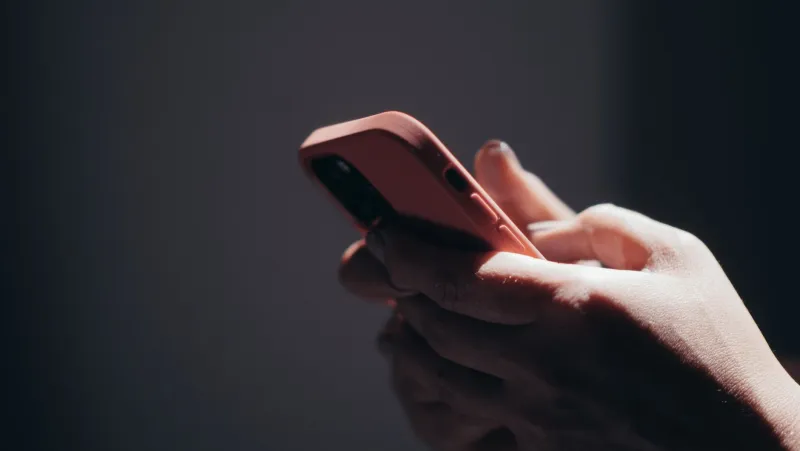
The Midnight Cart Was a Feeling, Not a Plan
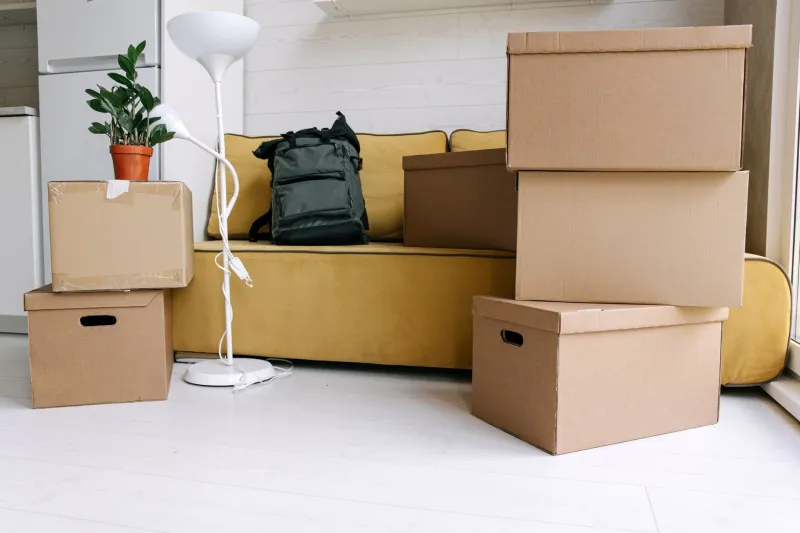
It is 2:13 a.m., and your phone has convinced you that the correct response to the news is a waterproof match kit and a second water filter. The cart is full. The shipping is free. Somewhere between a wildfire map and a comment thread about supply chains, you clicked buy. Now the box is in the hall, and the alarm in your chest has not gone off.
You are not foolish. You are a person with a nervous system, a credit card, and too much information at an hour when your prefrontal cortex is basically closed for the night. The midnight cart was never a preparedness plan. It was a feeling with a checkout button. That does not make you a prepper or a hoarder. It makes you human.
Why the 2 A.M. Cart Feels So Urgent
Collapse anxiety is a strange kind of worry. It is not one specific threat with one specific fix. It is a fog of weather events, political instability, housing costs, and headlines that all arrive in the same loud voice. When the threat is diffuse, the brain looks for something it can hold. A product is holdable. A product has a tracking number. A product promises that you did something.
Retailers know this. The internet is built to turn dread into a transaction. At 2 a.m., the friction is low, the urgency is high, and the algorithm is awake even when your better judgment is not. So you buy the freeze-dried meals. You buy the hand-crank radio. You buy a tactical flashlight that looks like it belongs in a movie about a very specific kind of dad.
For an hour, it works. The purchase soothes the alarm. That is the trap: the relief is real, but it is relief from the feeling of helplessness, not from the actual risk. The box arrives, the anxiety returns, and now you have a shelf full of expensive reminders that you still feel uncertain.
Preparedness or Reassurance?
Not every panic purchase is useless. Some gear genuinely helps. The question is not whether you were anxious when you bought it. The question is whether the item does a clear job in your actual life.
Preparedness tends to be specific, boring, and maintainable. It answers a defined risk, fits your budget, has a place to live, and comes with a plan for checking or using it. Reassurance tends to be dramatic, duplicative, and vague. It feels powerful in the cart and confusing in the closet. It often expires, needs batteries you do not have, or solves a problem you cannot quite name.
A few honest questions can help you tell the difference:
- Would I buy this at 2 p.m. on a normal Tuesday?
- Can I explain in one sentence what problem this solves for my household?
- Do I know where it will live, and do I know how to use it?
- Have I checked whether I already own something that does the same job?
- Does keeping this make my home feel more functional, or just more crowded?
If the answers are fuzzy, that is useful information. It does not mean you failed. It means the item was doing emotional work, not practical work.
The 30-Day Gear Audit
You do not need to shame yourself into minimalism or pretend you are fine with a single candle and a good attitude. You need a process that is kind enough to follow and clear enough to finish. Try a 30-day audit, done in daylight, with a timer and no news open in another tab.
The goal is not to get rid of everything. The goal is to make your gear match your life.
Week 1: Empty the box without judging it
Put the panic purchases in one place. Keep the receipts if you have them. Do not decide anything yet. Just look at what is there. Notice the story you told yourself when you bought each item. Write it down in one line if that helps. The story might be I was scared about water. It might be I wanted to feel like the kind of person who is ready. Both are allowed.
Week 2: Sort into four piles
Make four piles: keep, return, resell or donate, and decide later. Check return windows before you get sentimental. Some retailers are generous; some are not. If an item is unopened and returnable, returning it is not a moral failure. It is just closing a loop.
For the resell or donate pile, be honest about condition. Facebook Marketplace, Craigslist, and local Buy Nothing groups can move useful gear to someone who will actually use it. Do not donate expired food, opened medications, or broken equipment. That is not generosity; that is a chore for someone else.
Week 3: Use one thing
Pick one kept item and actually use it. Set up the water filter and read the instructions. Test the radio. Cook one freeze-dried meal and discover whether your family will eat it under stress. Put the flashlight where you would look for it in the dark. A tool you have used is worth ten tools you are saving for a fantasy scenario.
Week 4: Decide and close the loop
Return what can be returned. List what can be resold. Donate what is genuinely useful. Label the keep pile with a home: shelf, bin, closet. Then write a one-page household note: where the gear is, what it is for, and what still needs to be figured out. That note is worth more than another gadget.
What to Keep, and What to Let Go
Keep the basics that fit your local risks. For many US households, that means water, shelf-stable food you actually eat, a light source, batteries, a radio, basic first aid, copies of important documents, medications, and supplies for pets or kids. FEMA's general starting point is a 72-hour kit, not a bunker. Hurricane season, wildfire smoke, winter storms, and extreme heat are real concerns in different parts of the country. Your kit should look like your map, not someone else's feed.
Let go of duplicates, fantasy gear, and anything that requires a lifestyle you do not have. If you will not maintain it, train on it, or store it properly, it is probably reassurance in a box. That does not make you silly. It makes you a person who was trying to feel safe in a frightening moment.
Tell Future You
Panic buying thrives on secrecy and shame. Both keep you from looking at the pile. So make the process visible. Tell a friend you are doing a gear audit. Put a calendar reminder 30 days out. Keep a running pause list on your phone for items you want but do not need to buy at midnight. Give yourself a rule: no preparedness purchases after 10 p.m. without sleeping on it.
And if the anxiety keeps circling, that is worth attention too. A therapist can help you work with the fear underneath the cart, especially if it is affecting sleep, spending, or your sense of safety. Preparedness is meant to support resilience, not replace support. The goal is not a perfect kit. The goal is a life you can return to in the morning.
The box in the hall is not evidence of failure. It is evidence that you wanted to protect yourself. Now you get to decide what protection actually looks like, one daylight decision at a time.