The Landmark Is Gone, but You're Still Here: Making Sense of Place-Grief
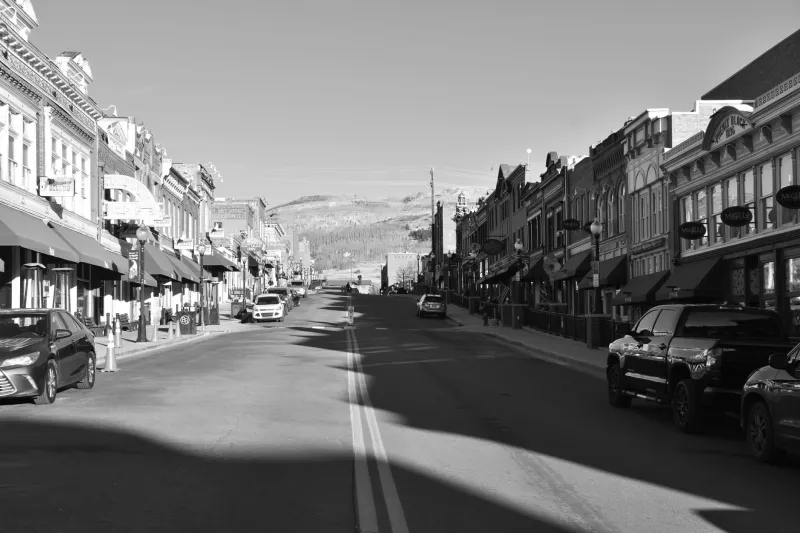
You know the feeling. You drive past the corner where the old diner used to be, and there's a storage facility now. Or the creek behind your neighborhood floods every other spring instead of every decade. The town is still technically your town. But it doesn't feel like yours.
Environmental philosopher Glenn Albrecht coined the term solastalgia in 2003 to describe the pain of environmental change in one's home place. It's not nostalgia—nostalgia is a longing for a past time. Solastalgia is a grief for the present place. You're not missing the way things were; you're distressed by the way things are. The place you live is still here, but it has become a stranger in small, cumulative ways.
That distinction matters. Nostalgia can be sweet, even pleasurable. Solastalgia tends to feel like a low-grade hum of unease. It's the reason you avoid certain roads, or why a new apartment complex makes your chest tight, or why you can't quite explain to your out-of-state cousin why you're upset about a tree being cut down. It's not about being stuck in the past. It's about being attached to a present that is slipping.
How place-grief shows up in daily life
Solastalgia doesn't always announce itself. It can look like irritability when someone says, 'Change is inevitable, get over it.' It can look like avoidance—taking the long way home so you don't have to see the empty lot where the hardware store stood. It can look like compulsive scrolling through local news, hunting for the next loss before it happens.
Other signs include:
- A sense of being a visitor in your own neighborhood.
- Grief spikes when you see old photos or drive past a familiar landmark that's been replaced.
- Hopelessness about the town's future, even if your own future is fine.
- Difficulty making new memories in a place that feels less recognizable.
- Guilt about feeling this way when others seem unbothered.
If any of that sounds familiar, you're not being dramatic. You're experiencing a real form of grief that mental health professionals are increasingly recognizing—especially in communities facing wildfire seasons, drought, flooding, gentrification, or the slow closure of main street businesses.
Why it's not just 'being dramatic'
Place attachment is a normal part of human development. We form bonds with landscapes, buildings, routines, and the people who share them. When those bonds are stretched or broken, grief is the natural response. Solastalgia isn't a failure to adapt. It's evidence that you were paying attention.
But grief that goes unnamed can become paralyzing. It can turn into cynicism, withdrawal, or a refusal to invest in anything new because 'what's the point?' The goal isn't to talk yourself out of caring. The goal is to give the grief a shape so it doesn't shape you.
Rituals for mourning a changing place
You don't need a formal ceremony. Small, repeated practices can help you hold both the loss and the remaining good.
Make a community memory map
Gather a few neighbors or friends. Tape a large sheet of paper to a table and sketch your neighborhood or town from memory. Mark the places that mattered: the diner, the creek, the corner where someone always walked their dog. Use one color for what's gone and another for what remains. Then talk about each mark. The map doesn't have to be accurate—it's a conversation starter. It's a way to say, 'This mattered,' out loud, with others.
Host a local-story conversation
Invite two or three longtime residents over for coffee. Ask questions like: 'What did this street look like when you were a kid?' and 'What do you miss most?' Then ask, 'What do you still love about it now?' The first half honors the loss. The second half keeps you from drowning in it. Record the conversation if people are willing. Oral histories are a form of care—for the teller and the listener.
Build a continuity inventory
Write down five things that have not changed. It might be a tree, a weekly potluck, a neighbor who still waves from her porch, the way the light hits the courthouse at 4 p.m. Solastalgia narrows your attention to what's gone. A continuity inventory widens it back out. It's not about forced positivity. It's about accuracy—both loss and persistence are true.
Set boundaries around local doomscrolling
Keeping up with town news is reasonable. Refreshing the local paper's Facebook page every hour is not. Try a simple rule: check local news once a day, at a set time, and then close the tab. If you notice yourself hunting for bad news, name it: 'I'm trying to control the uncontrollable.' Then do one small thing that grounds you—water a plant, text a friend, step outside.
Take one small action
Grief often carries energy that wants to move. You don't have to save the town. You could attend a zoning meeting, join a cleanup day, plant something native, or simply introduce yourself to a new neighbor. Action doesn't erase the loss, but it can restore a sense of agency. You are not a passive witness. You are a participant.
When to seek extra support
If place-grief is interfering with sleep, work, or your ability to function, it's worth talking to a therapist. Look for someone who understands ecological grief or community trauma. You don't have to explain solastalgia from scratch—more clinicians are learning the term every year.
Solastalgia isn't a sign you should move. It's a sign you're attached. And attachment is the raw material of care. You can grieve what's gone and still show up for what remains—the neighbor who still waves, the oak that still drops acorns, the potluck that still happens on the first Sunday. The town you live in is changing. You're allowed to change with it, and you're allowed to miss what it was.